Compare drain cleaning
Compare drain cleaning
Blog Article
Vital Piping Services: Why You Should Get a Technician Today
In any property, drainage problems can occur without warning, triggering substantial disruptions. Situations involving plugged drains or water-leaking pipes typically require more than amateur solutions. Consulting a certified plumber not only remedies urgent concerns but also creates the framework for future upkeep. Becoming aware of the key services available can equip homeowners to make better decisions. The question stands: what are the fundamental plumbing services that every homeowner should learn about?
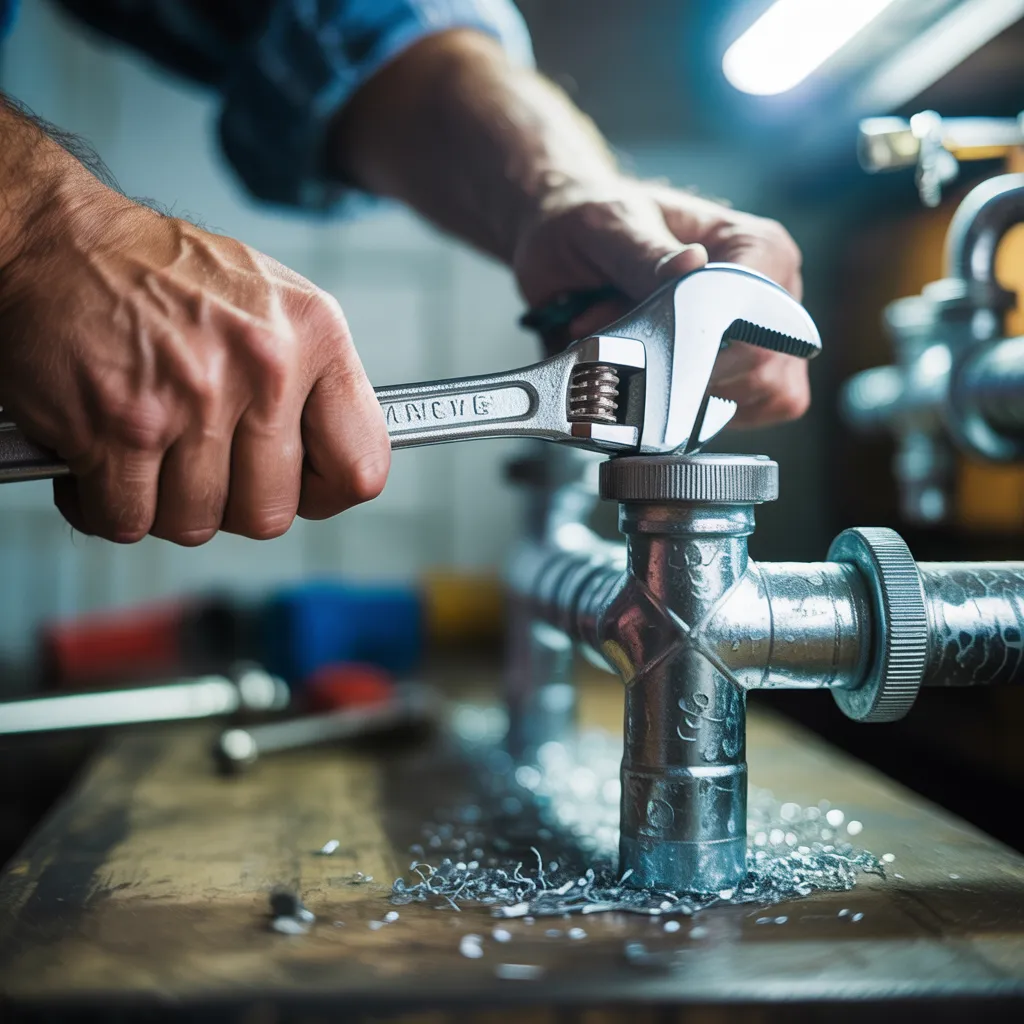
Top Plumbing Issues and How to Repair Them
If property owners experience plumbing issues, they typically deal with common problems that require prompt attention. Clogged drains are one of the most frequent concerns, often caused by the accumulation of grease, hair, and debris.
Homeowners could temporarily alleviate this by using a plunger or drain cleaning tool, but ongoing clogs typically call for expert intervention.
Leaky faucets present another common problem, leading to water loss and higher utility bills. A uncomplicated swap of washers or O-rings can often address this issue.
In addition, malfunctioning toilets can squander major water, usually because of a damaged flapper or fill valve. Residents may attempt to repair this by adjusting or replacing parts themselves.
Finally, ruptured pipes, often caused by frozen conditions, require immediate professional intervention to avoid significant water destruction.
Recognizing these prevalent plumbing issues enables property owners to obtain timely remedies and upkeep their home's plumbing system effectively.
Regular Maintenance Importance
Routine maintenance is essential for preserving the longevity and efficiency of a home's plumbing system. Regular inspections can identify possible problems before they worsen, sparing homeowners from costly repairs.
Elementary duties, such as checking for leaks, scrubbing faucets, and checking water heaters, can substantially boost system operation. Additionally, routine maintenance helps to maintain water standards, as mineral deposits in pipes can result in contamination.
Homeowners should also think about arranging professional drain cleaning to avoid blockages. By investing in regular upkeep, homeowners not only ensure their plumbing functions properly but also enhance the overall value of their property.
A preventative strategy to pipe upkeep eventually contributes to a worry-free home space.
Critical Plumbing Remedies
Confronting a plumbing emergency can be challenging for any homeowner, making it vital to understand key resources that can supply immediate relief.
Urgent plumbing solutions delivers swift response units available 24/7, capable of addressing issues such as pipe ruptures, critical leaks, or toilet backups. These proficient technicians can promptly evaluate the situation and implement quick fixes to inhibit further damage.
Additionally, services often encompass drain maintenance, water heater repairs, and sewer backups. Homeowners should also familiarize themselves with the significance of shutting off the main water supply in critical situations.
In the end, having access to emergency plumbing solutions not only lessens damage but also provides peace of mind during difficult times. Being prepared in such situations can save both time and money.
How to Resolve Typical Plumbing Troubles
Plumbing problems can disrupt daily life, but many typical problems have straightforward solutions. A blocked drain can often be resolved with a plunging device or a mixture of baking soda and vinegar. This approach helps break down buildup without strong chemical cleaners.
Leaky faucets, another widespread issue, may simply require a new washer installation; turning off the water supply and loosening the faucet makes possible easy access to the components.
To address running toilets, adjusting the float mechanism or replacing the flapper can reinstate normal function. For low water pressure, checking aerators or showerheads for clogs is an productive first step.
To sum up, homeowners can often address minor pipe leaks with epoxy putty or tape as a temporary solution. These uncomplicated methods enable people to handle routine plumbing concerns effectively, promoting a sense of self-sufficiency. However, prolonged issues may warrant further examination.
When should you reach out to a professional plumber?
What method can individuals use to figure out when a plumber's expertise are needed? Observing tell-tale signs can assist homeowners in their decision.
Continuous moisture loss that do not respond to temporary fixes demonstrate a more serious underlying issue. Blocked drains that stand against regular cleaning methods may require professional help to stop widespread harm.
Additionally, if a property dweller detects low refer now water pressure or discolored water, these may reveal plumbing concerns that should not be dismissed.
Complex issues such as sewer line clogs or significant water damage require urgent professional help to mitigate risks.
Property owners should also assess the age and condition of their water pipe networks; aging or damaged pipes often result in costly repairs if not addressed timely.
In the end, if you're unsure, reaching out to a professional plumber can conserve time, money, and additional problems.
How Preventive Maintenance Saves You Financial Resources and Hassle
Allocating funds for preventive maintenance programs can considerably diminish the likelihood of expensive emergencies and unwelcome problems. Frequent inspections and upkeep of plumbing systems can recognize minor issues before they progress into critical issues. For instance, small leaks, degraded pipes, or clogged drains can be addressed promptly, preventing homeowners from hefty repair expenses down the line.
Furthermore, efficient preventive approaches boost the overall performance of pipe networks. By confirming that pipes and fixtures are in optimal shape, property owners can sidestep the extra expenses connected to higher water bills due to leaks or inefficiencies.
Furthermore, preventative maintenance helps maintain property value. A well-maintained plumbing system is attractive to potential buyers and can prevent future disputes or negotiations related to repairs.
In the final analysis, investing in preventative maintenance not only maintains financial stability but also guarantees peace of mind, making it a judicious decision for property dwellers hoping to avoid trouble.
Why Routine Plumbing Inspections Matter
Regular plumbing inspections play a important role in preserving a home's infrastructure. These evaluations allow experts to detect potential problems before they escalate into costly repairs. By tackling problems such as water seepage, clogs, or deteriorating pipes early, homeowners can avoid extensive harm to their property and ensure a secure living environment.
Additionally, regular inspections contribute to the overall performance of plumbing systems. They can reveal inefficiencies that lead to increased water bills, enabling homeowners to make necessary adjustments.
Regular upkeep also extends the lifespan of plumbing fixtures and appliances, promoting long-term savings.
Moreover, a well-maintained plumbing system enhances home value, making it more attractive to potential buyers.
In the final analysis, stressing the importance of periodic plumbing assessments is critical for maintaining a home's functionality and integrity, bestowing tranquility to homeowners troubled by unanticipated plumbing disasters.
Beginning Evaluation Process
When a plumbing service call is placed, the service professional arrives prepared to assess the situation carefully. The workflow begins with a detailed assessment of the location, often beginning with a discussion about the mentioned concerns.
The technician then inspects plumbing parts that are visible, such as pipes, fixtures, and appliances, looking for signs of wear or damage. They may also employ diagnostic tools to detect hidden issues that are not immediately apparent.
During this initial inspection, the technician gathers written details and photographs to document findings. This extensive assessment helps in forming an accurate diagnosis and creates the foundation for any necessary repairs.
Ultimately, this careful approach assures that no aspect of the plumbing infrastructure is overlooked, promoting successful resolutions.
Service Fulfillment Overview
Upon identifying and addressing common plumbing issues, the technician will continue with the service finalization process.
This phase encompasses a thorough inspection of the work performed to guarantee quality and compliance with safety standards. The service provider will communicate the repairs executed and any preventative measures homeowners can take to sidestep additional issues.
A elaborate invoice will be submitted, outlining the services provided and associated costs. Payment options will be addressed, allowing clients to select a method that suits them best.
In conclusion, the technician will clean the work area, leaving it tidy and confirming that all tools and materials are removed.
Happy clients will receive a follow-up call or email to verify everything is operating properly after the completion.
Popular Questions That Are Often Inquired
How Can I Select the Perfect Plumbing Specialist for My Needs?
To identify the suitable plumbing expert, one should review skills, examine ratings, contrast quotes, and validate proper licensing and insurance. Personal recommendations can also furnish important knowledge into reliability and quality of service.
What Skills Should a Expert Plumber Have?
A competent plumber should have appropriate credentials, extensive training, and expertise in plumbing work. They should also be licensed and insured, demonstrating their compliance with industry regulations and ensuring excellent service for various plumbing needs.
Is Emergency Plumbing Service Accessible 24 Hours a Day?
Emergency plumbing services are absolutely accessible 24/7. Trained professionals stress immediate action to serious problems, making sure that patrons secure rapid assistance whenever plumbing disasters happen, irrespective of the hour or day.
What Techniques Stop Water System Troubles in Older Homes?
Preventing plumbing problems in older homes requires regular checks, consistent upkeep, and timely repairs. Replacing outdated fixtures and ensuring proper drainage can also significantly reduce the risk of future plumbing complications.
What plumbing equipment must I maintain at Home?
A resident should have vital plumbing tools, such as a plunging tool, pipe-turning wrench, variable wrench, basin wrench, measuring tape, and a collection of screwdrivers. These implements establish a basic foundation for resolving small plumbing problems effectively.
Report this page